What Happens When Solar Panels Are Covered With Snow?
If you live in Delaware or Maryland and you’ve invested in solar, winter storms can raise a big question:
“What happens to my solar panels when they’re covered in snow?”
Here’s what really happens — and what homeowners should know.
1. Solar Panels Stop Producing (Temporarily)
When snow fully covers your panels, sunlight can’t reach the photovoltaic cells.
That means:
- Production drops significantly
- If fully covered, production may temporarily stop
- Your home pulls more electricity from the grid
The good news? This is almost always temporary.
2. Snow Usually Slides Off On Its Own
Solar panels are installed at an angle — and they have a smooth glass surface.
Once the sun comes out:
- The dark panels absorb heat
- Snow begins melting from underneath
- Large sheets of snow often slide off
In many cases, panels clear themselves within a day or two after a storm.
3. Cold Weather Is Actually GOOD for Solar
Here’s something most people don’t realize:
- Solar panels actually perform more efficiently in cold temperatures.
- While snow blocks production temporarily, cold sunny days can produce excellent output once panels are clear.
- Heat reduces efficiency — cold increases it.
So winter isn’t bad for solar… it’s just storm-dependent.
4. Should You Remove the Snow?
Generally: No.
Climbing on a roof in icy conditions is dangerous. Improper tools can also scratch panels.
If removal is necessary:
- Use a long-handled soft snow rake from the ground
- Never use metal tools
- Never pour hot water (thermal shock risk)
But in most cases, patience is the safest option.
5. Does Snow Damage Solar Panels?
Properly installed systems are built to handle snow loads. Panels are tested for:
- Heavy snow weight
- Ice conditions
- Wind uplift during winter storms
If your roof is structurally sound, your solar system should be fine.
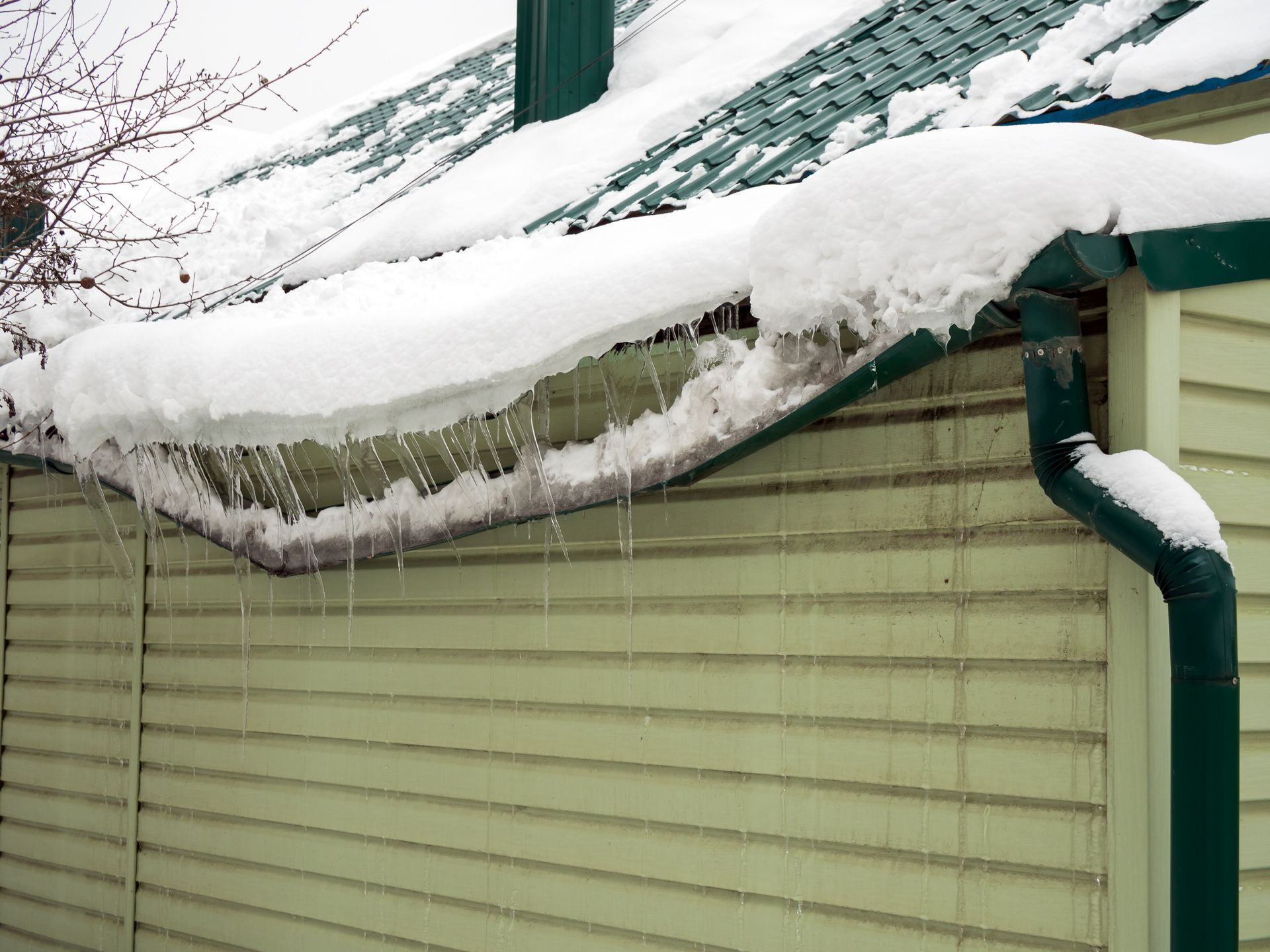
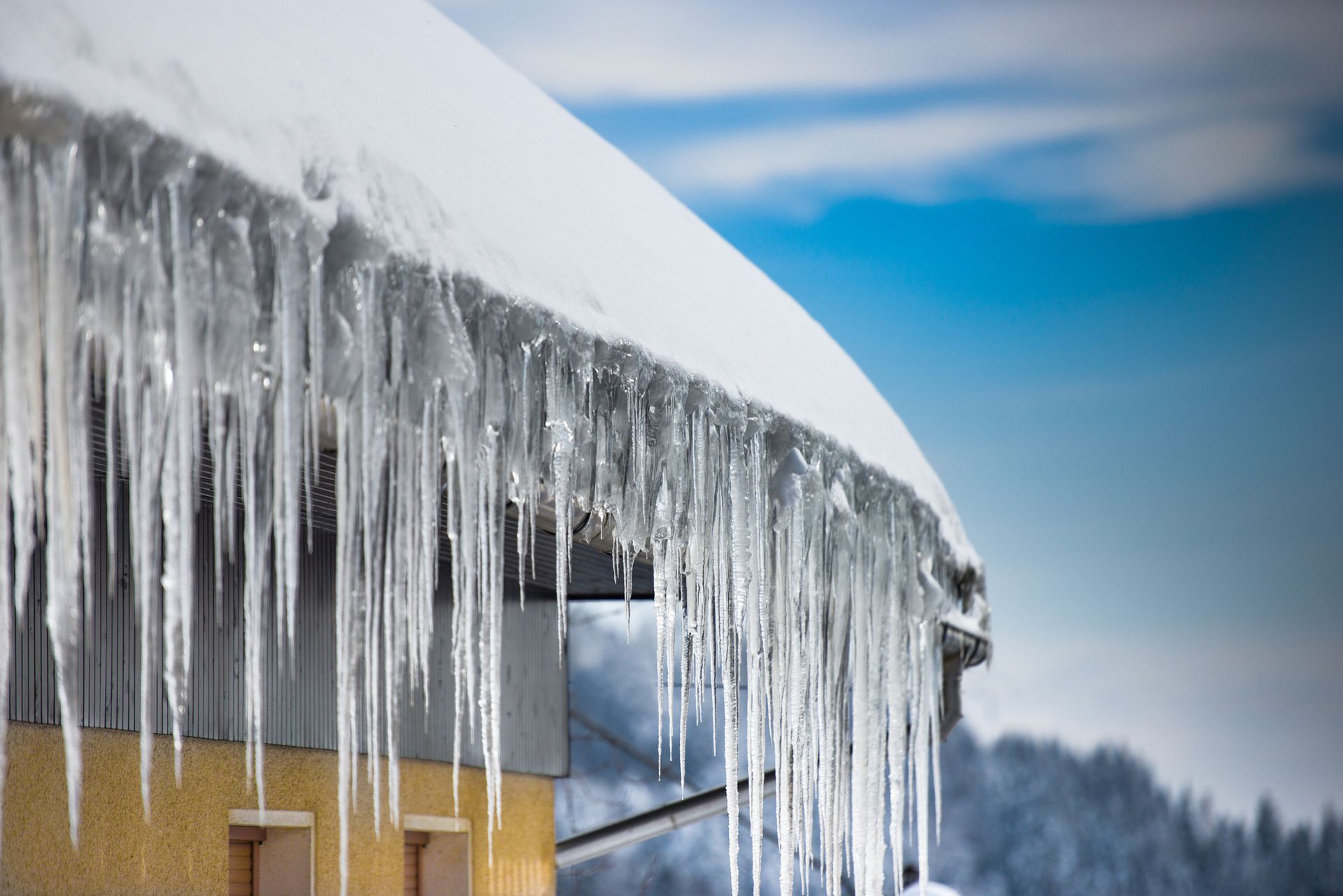
6. What About Ice Dams?
Snow on solar panels is one thing.
But ice dams at the roof edge? That’s a roofing issue.
Ice dams can:
- Push water under shingles
- Cause interior leaks
- Damage gutters
If you’re seeing heavy ice buildup, it’s smart to schedule a winter roof inspection.
Final Takeaway
Snow covering solar panels is normal.
It may pause production for a short time — but systems are designed for it. Once cleared, cold sunny days can actually improve performance.
If you’re unsure about roof conditions after a storm, it’s always wise to have a professional inspection — especially here in coastal Delaware and Maryland where freeze/thaw cycles can be rough on roofing systems.